Culture of Liberia
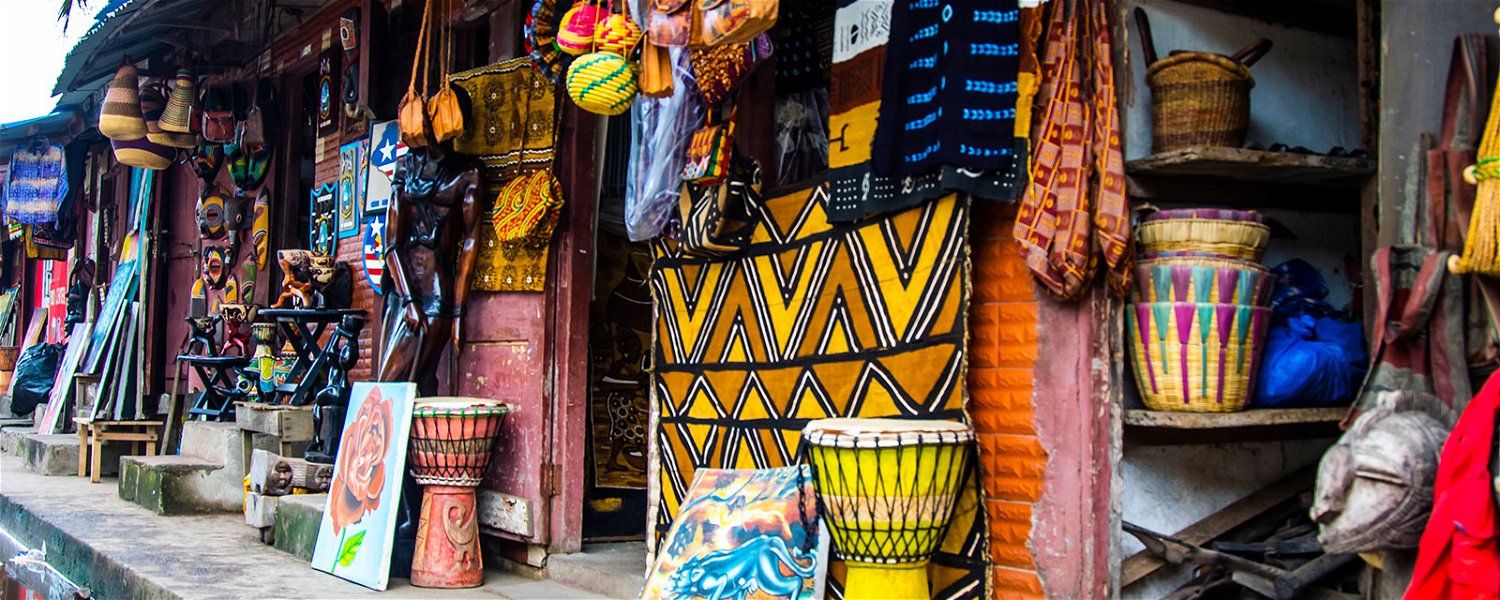
Liberia’s culture is a vibrant mosaic shaped by centuries of interaction among various ethnic groups, settlers from the United States, and influences from neighboring West African countries.
Traditionally, Liberia is home to more than 16 indigenous ethnic groups, each with their own languages, customs, and artistic expressions. The arrival of freed African-American slaves in the 19th century, known as Americo-Liberians, further enriched the cultural landscape, introducing Western styles of dress, education, and governance alongside indigenous traditions.
This blending of cultures is evident in Liberia’s music, cuisine, and festivals. Folk music and storytelling remain important, while gospel and hip-hop also resonate with younger generations.
The country’s cuisine fuses indigenous ingredients with American and Caribbean flavors, resulting in unique dishes like jollof rice, cassava leaf stew, and palava sauce, Fufu and Soup, Dry Rice and Fried Fish, Dumboy, Potatoe Greens, Palm Butter, Okra Sauce, Gravy, Fired Rice, Kidney Beans, Collard Greens, Cabbage, and Pepper Soup.
Liberia’s development has been marked by resilience, as communities have preserved their distinct identities while finding common ground through shared national values and celebrations. The resulting culture is one of remarkable diversity, unity, and adaptability, setting Liberia apart within the West African region.