History of Liberia
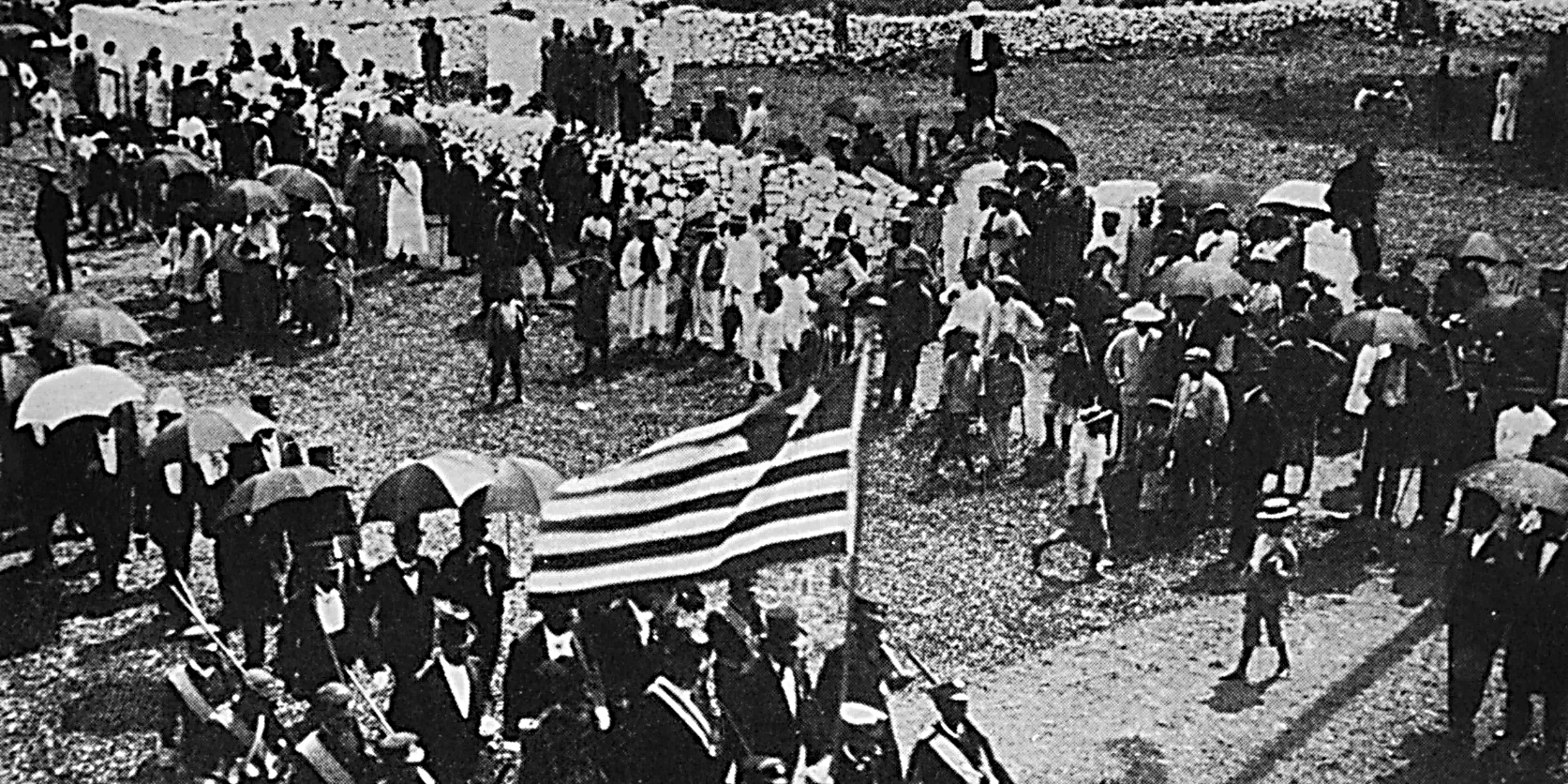
Liberia, located on the West African coast, is Africa’s oldest republic, founded in 1822 by freed slaves from the United States and gaining independence in 1847. Between the 12th and 16th centuries A.D., indigenous African populations migrated from the Songhai Kingdom into present-day Liberia, forming the foundations of the nation’s early settlements.
In 1821, the first group of settlers arrived on Providence Island from New York. Between 1821 and 1843, approximately 4,571 immigrants arrived, most of whom were formerly enslaved Africans sponsored by the American Colonization Society (ACS). These early settlements played a central role in shaping Liberia’s political and cultural development.With a population of around 5.5 million and Monrovia as its capital, it is known for its strong American influence, tropical climate, and history as a nation never colonized by a Western power.
Key Aspects of Liberia:
- History & Government: Founded by the American Colonization Society, it was established as a home for free-born black Americans and liberated slaves. The country has a bicameral legislature and is a republic.
- Geography: Located between Sierra Leone, Guinea, and Côte d’Ivoire, Liberia features a tropical climate with a long coastline, lush rainforests, and mountain ranges. Liberia is located along the coast of West Africa and is bordered by the Atlantic Ocean to the southwest, Sierra Leone to the west, Guinea to the north, and Côte d’Ivoire to the east. The country is divided into fifteen political subdivisions known as counties, with Montserrado being the most populated. Montserrado hosts Monrovia, the capital city and Liberia’s largest commercial and administrative center. Liberia covers a total land area of approximately 111,000 square kilometers and has a coastline stretching about 580 kilometers. Of this area, roughly 96,000 square kilometers is land mass, while the remainder consists of rivers, lakes, and wetlands.
- Economy: The economy is largely based on agriculture and natural resources, with rubber and iron ore being major exports. Liberia also operates one of the world’s largest maritime registries.
- Culture & People: English is the official language, with over 20 indigenous languages spoken. The culture is a mix of Americo-Liberian traditions and diverse indigenous customs, with a strong tradition of music, masks, and woodcarvings.
Key Facts:
- Independence: July 26, 1847.
- Currency: Liberian dollar (US dollar widely used).
- Religion: Predominantly Christian, with a significant Muslim minority.
- Challenges: The country is recovering from long-running civil wars that ended in 2003.
Liberia remains a unique blend of African, indigenous, and American influences, often called the “USA of Africa” due to its flag, constitution, and cultural similarities