Governance
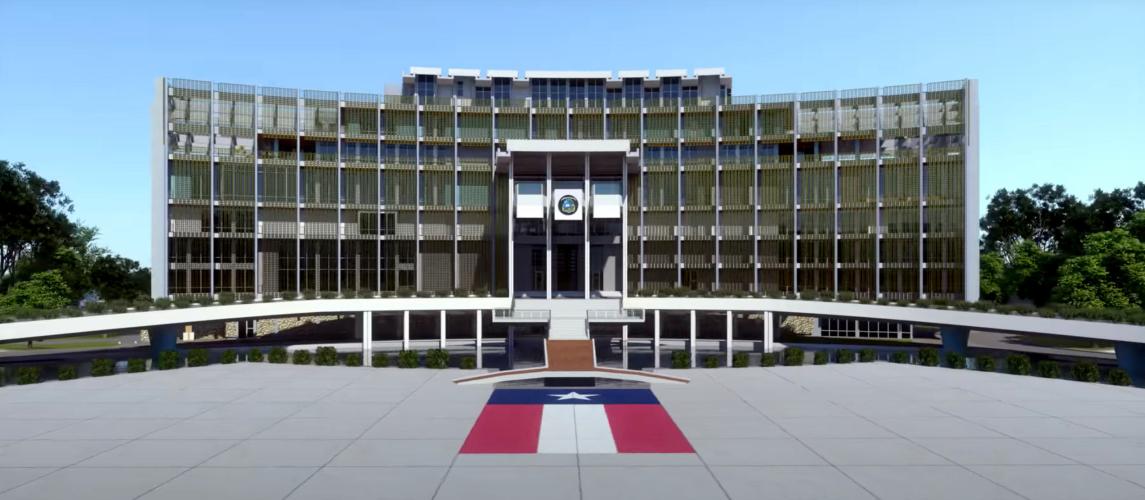
Liberia operates as a unitary state with a presidential representative democratic republic system. The President of Liberia serves as both the head of state and head of government, wielding executive authority and overseeing the administration of the country.
The President is elected by popular vote and holds office for a six-year term, with the possibility of reelection. The Executive Branch also includes the Vice President and a Cabinet composed of various ministers responsible for different sectors of government.
The Legislative Branch in Liberia is bicameral, consisting of the Senate and the House of Representatives. The Senate is composed of 30 members, two from each of Liberia’s 15 counties, while the House of Representatives has members elected based on the population of each district. Both chambers are responsible for making laws, approving the national budget, and providing oversight of the executive branch. This structure ensures a system of checks and balances within the government.
Liberia’s Judiciary is independent and is tasked with interpreting the laws and upholding the constitution. The highest court in the country is the Supreme Court, which has the authority to adjudicate constitutional matters and hear appeals from lower courts. The judicial system plays a crucial role in protecting the rights of citizens and maintaining the rule of law.
Together, these branches form the foundation of Liberia’s governance, promoting democratic principles and accountability.