Investment Sectors

Agriculture
Food security, employment, and export-oriented agribusiness.
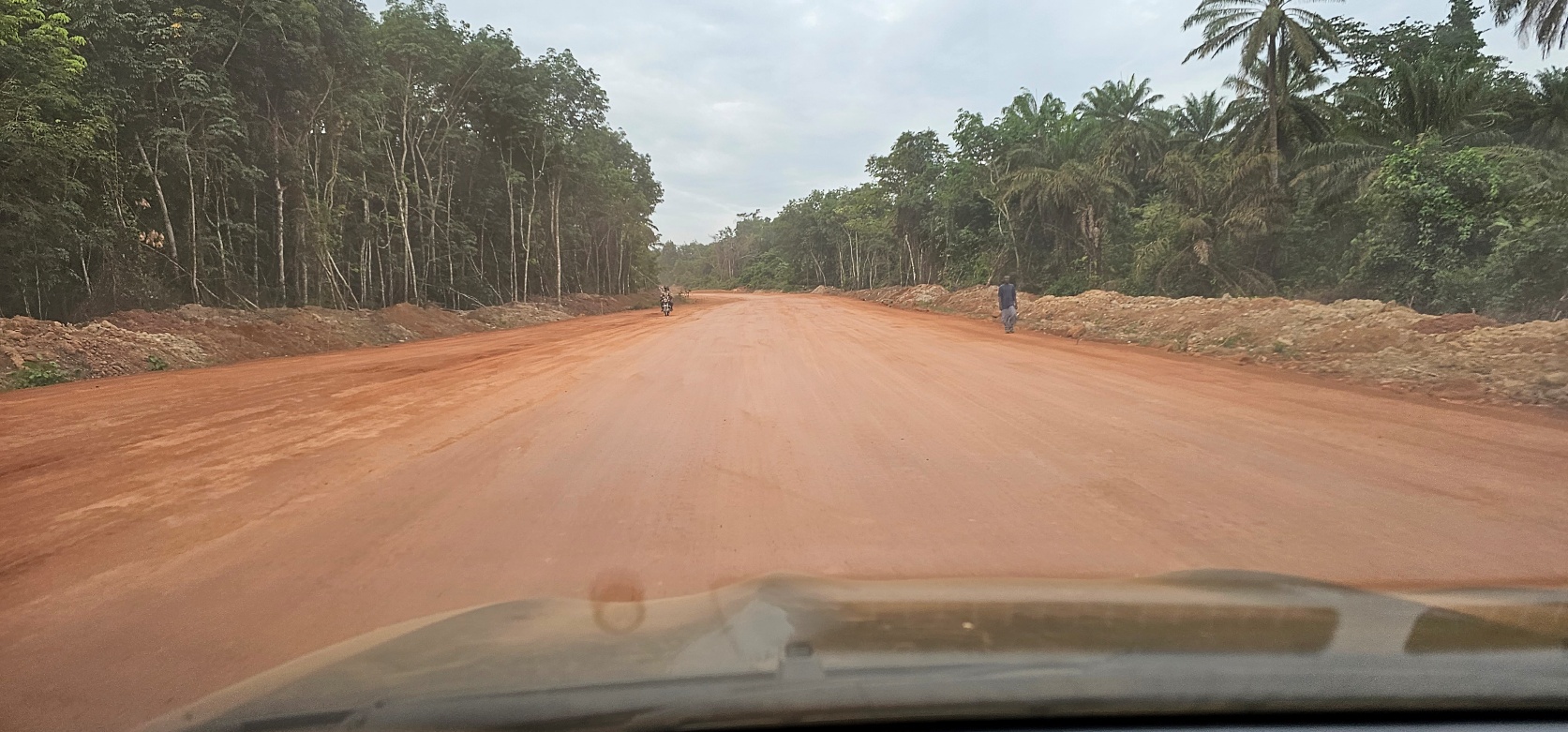
Infrastructure
Transport, energy, water systems, and digital infrastructure.

Tourism
Pristine beaches, biodiversity, and cultural heritage.

Mining
Iron ore, gold, diamonds, and strategic minerals.

Sanitation
Public health, environmental sustainability, and urban resilience.

Renewable Energy
Hydropower, solar, biomass, and clean energy solutions.

Healthcare
Hospital development, medical technology, and digital health.
Education
Vocational training, digital learning, and higher education.
Agriculture Sector Profile
Liberia’s agriculture sector forms the backbone of the national economy, driving food security, employment, rural development, and export earnings.
With abundant fertile land, favorable climatic conditions, and diverse agro-ecological zones, Liberia presents significant opportunities for commercial farming, agro-processing, and export-oriented agribusiness.
Agriculture accounts for the majority of livelihoods, supporting inclusive economic growth while offering investors scalable production systems and expanding regional markets.
Key value chains include rice, cassava, cocoa, rubber, oil palm, fisheries, and horticulture, providing multiple entry points for sustainable investment.
Infrastructure Sector Profile
Liberia’s infrastructure sector is a cornerstone of national development, economic competitiveness, and social inclusion. Strategic investments in transport, energy, water systems, and digital infrastructure are driving productivity, connectivity, and regional integration.
With expanding urban centers, growing trade volumes, and rising demand for essential services, Liberia presents significant infrastructure investment opportunities across public and private sectors.
Government-backed reforms, strong development partner support, and public-private partnership frameworks are accelerating infrastructure modernization and long-term capital deployment.
Priority infrastructure investments focus on road corridors, ports, airports, power generation and transmission, water and sanitation systems, and smart urban development.
Tourism Sector Profile
Liberia’s tourism sector is a strategic pillar for economic diversification, job creation, and international engagement. The country offers exceptional tourism assets, including pristine beaches, rich biodiversity, cultural heritage, and vibrant coastal communities.
With over 570 kilometers of untouched Atlantic coastline, expansive rainforests, national parks, and unique historical sites, Liberia presents strong opportunities for sustainable tourism development and eco-conscious investment. Government-led reforms, improving transport infrastructure, and growing global interest in experiential travel are positioning Liberia as West Africa’s next frontier tourism destination.
Investment in hospitality infrastructure, eco-lodges, resort developments, cultural attractions, and adventure tourism services will accelerate sector growth while preserving Liberia’s natural heritage.
Mining Sector Profile
Liberia’s mining sector is a major engine of economic growth, export earnings, and infrastructure development, supported by world-class mineral resources and strong policy backing.
Liberia’s mining sector plays a pivotal role in national economic development, employment creation, and foreign exchange earnings. The country is endowed with vast reserves of iron ore, gold, diamonds, and other strategic minerals, positioning it as one of West Africa’s most attractive mining investment destinations.
Mining contributes significantly to GDP growth, export revenues, and regional development through the expansion of transport networks, energy generation, and community-based infrastructure projects.
Liberia hosts some of West Africa’s highest-grade iron ore deposits alongside commercially viable gold and diamond fields, providing strong long-term supply potential for global markets.
Sanitation Sector Profile
Liberia’s sanitation sector is a foundational pillar of public health, environmental sustainability, and urban resilience. Strengthening sanitation systems is essential to reducing disease burden, improving living standards, and supporting sustainable urban development.
Rapid urbanization, population growth, and climate vulnerability have created urgent demand for modern sanitation infrastructure, wastewater treatment facilities, and integrated solid waste management solutions.
Public-private partnerships play a central role in expanding sanitation services, modernizing waste treatment, and delivering community-based hygiene interventions nationwide.
Investment opportunities span urban sanitation networks, fecal sludge management, wastewater recycling, landfill development, waste-to-energy systems, and circular economy solutions.
Renewable Energy Sector Profile
Liberia’s renewable energy sector is a cornerstone of national development, enabling industrial growth, social inclusion, and climate resilience through sustainable power generation.
With abundant hydropower resources, high solar irradiation levels, and strong biomass potential, Liberia offers a compelling environment for renewable energy investment across both grid-connected and off-grid markets.
Government-led reforms, donor-backed electrification programs, and private sector participation are driving rapid expansion in clean energy deployment nationwide.
Priority investment areas include hydropower rehabilitation and development, utility-scale and distributed solar generation, mini-grids, energy storage, and productive-use energy solutions.
Healthcare Sector Profile
Liberia’s health sector is a critical driver of human capital development, productivity, and social stability. Continued investment in healthcare infrastructure and service delivery is essential to improving population health outcomes and economic resilience.
Expanding access to quality healthcare, strengthening hospital networks, modernizing diagnostic systems, and developing pharmaceutical manufacturing capacity remain national priorities.
Rapid urbanization, demographic growth, and rising healthcare demand have created strong opportunities for private sector participation across hospital development, medical technology, digital health, and healthcare logistics.
Strategic investments in health infrastructure generate long-term social impact while delivering sustainable commercial returns through service expansion and innovation
Education Sector Profile
Liberia’s education sector plays a central role in human capital development, economic transformation, and social inclusion, forming the foundation for sustainable national growth.
With a young and rapidly growing population, the demand for quality education, skills training, and workforce development continues to rise, creating strong opportunities for private sector participation and investment.
Strategic reforms, public-private partnerships, and donor-backed initiatives are driving improvements across primary, secondary, tertiary, and technical education systems.
Key growth areas include technical and vocational education, digital learning platforms, teacher training institutions, private schools, and higher education infrastructure development.